

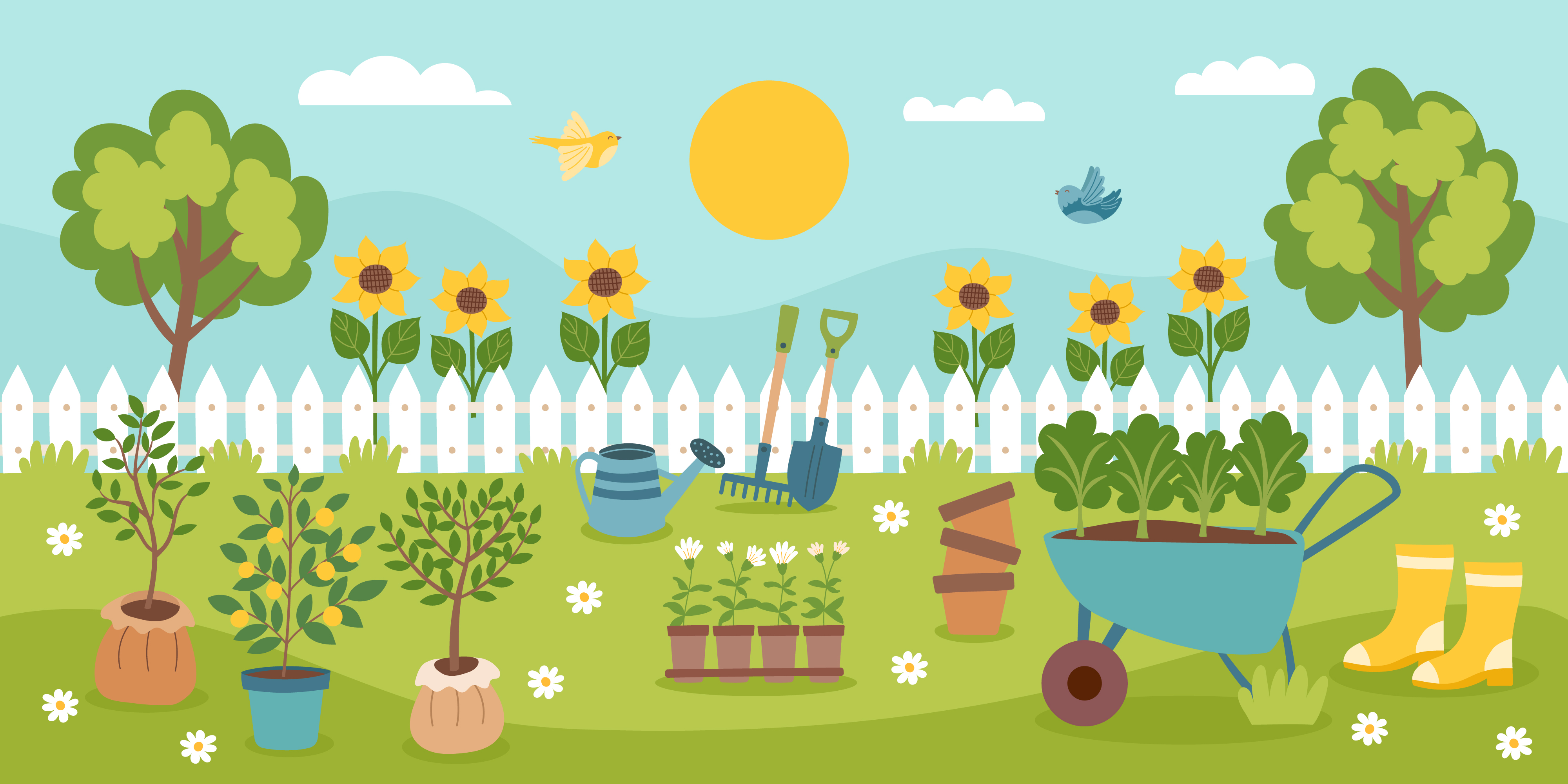

This analogy helps explain how your physical qualities are trained, prioritised, and managed across the year. Think of your body as a garden made up of different plants. Each plant needs the right care at the right time.
One of the most important things an athlete can learn is that training isn’t about doing everything, all the time.
It’s about developing the right qualities, in the right balance, with the right dose — so you can improve consistently, stay healthy, and perform when it matters most.
At KPI, we use a simple analogy to explain this:
Think of your body as a garden.
Inside that garden are different physical qualities that make up your performance. Training is the process of learning how to grow them properly.
Why Training Changes Throughout the Year
Athletes often ask:
- Why are we focusing on strength right now?
- Why has speed work reduced?
- Why does training look different in-season?
- Why can’t we just push everything at once?
The answer is simple:
Smart training is about balance, timing, and prioritisation.
The Garden Analogy helps explain both:
- Why different sports prioritise different qualities
- Why emphasis shifts across the season
And why doing more isn’t always better.
Each Plant Represents a Physical Quality
In your garden, every plant represents a different performance quality:
- Speed
- Strength
- Fitness
- Mobility
- Power
- Movement control
You don’t just have one quality — you have many.
And just like a real garden, you can’t grow every plant equally at the same time.
🌱 Plant Size = What Your Sport Demands Most
Some plants are naturally bigger than others.
Plant size represents how important that quality is for your sport.
Not all sports demand the same physical qualities in the same proportions.
For example:
- Upper body strength is more important in Rugby than in Football — so in Rugby, that plant would naturally be bigger.
- Maximal sprint speed may be a larger plant in Football or Hockey than in other sports.
Plant size reflects sport demands first — and then individual needs within that sport.
Your position, injury history, and physical profile may slightly adjust the size of certain plants in your garden, but the sport itself sets the framework.
This is why different sports — and different athletes within them — train differently.
🌿 Roots = How Embedded That Quality Is
Beneath every plant are its roots.
The bigger and stronger the roots, the better embedded that physical quality is within you — and the more nutrients it can absorb when you train it.
Roots represent:
- Your training age
- Your exposure history
- Your movement competency
- Your structural robustness
If your roots are strong, you respond well to training.
You tolerate load better.
You adapt faster.
If the roots are shallow, the same dose of training may create fatigue without meaningful growth.
At KPI, we don’t just grow plants — we strengthen roots.
Because long-term performance depends on what’s built beneath the surface.
🌼 Plant Life = Some Qualities Fade Faster Than Others
Not all plants behave the same.
Some wilt quickly if you stop feeding them.
In training terms:
- Speed fades quickly without exposure
- Strength declines if it isn’t maintained
- Endurance qualities are often more resilient
This is why KPI programming never completely abandons key qualities — even when they aren’t the main focus.
We maintain what needs maintaining, while building what needs building.
🌾 Plant Food = Training Dose Matters
Training is the food.
The right amount helps the plant grow.
But like overwatering a garden, too much training can do more harm than good.
- Too little = no progress
- Too much = fatigue, injury risk, burnout
At KPI, we’re not chasing exhaustion.
We’re chasing adaptation.
Training works when the dose is appropriate for the plant and its roots.
🌳 Garden Layout = Qualities Affect Each Other
Plants don’t grow in isolation.
Some support each other.
Others compete for resources.
For example:
- Strength supports speed
- Mobility supports resilience
- Excess fatigue can limit skill, speed, and power
That’s why sessions are carefully structured.
Training isn’t random — it’s designed so qualities complement each other, rather than interfere.
🌦 Weather = The Season Changes What’s Possible
Every garden is affected by weather.
In sport, the “weather” is the competitive calendar.
- Off-season = higher growth potential
- Pre-season = structured build phase
- In-season = maintain and manage
- Congested fixtures = protect and stabilise
Weather doesn’t change plant size (what the sport demands), but it changes how aggressively you can grow certain plants.
Sometimes you push.
Sometimes you protect.
The best athletes understand when to grow and when to maintain.
Final Takeaway: Trust the Process
Your training is designed to grow the right qualities for your sport, at the right time, with the right dose.
Plant size reflects what your sport demands.
Roots reflect how prepared you are to adapt.
Weather determines what’s possible right now.
Priorities shift.
Doses change.
Balance matters.
This approach helps you:
- Stay healthy
- Improve consistently
- Perform when it matters most
Your body is the garden.
KPI helps you grow it properly.


